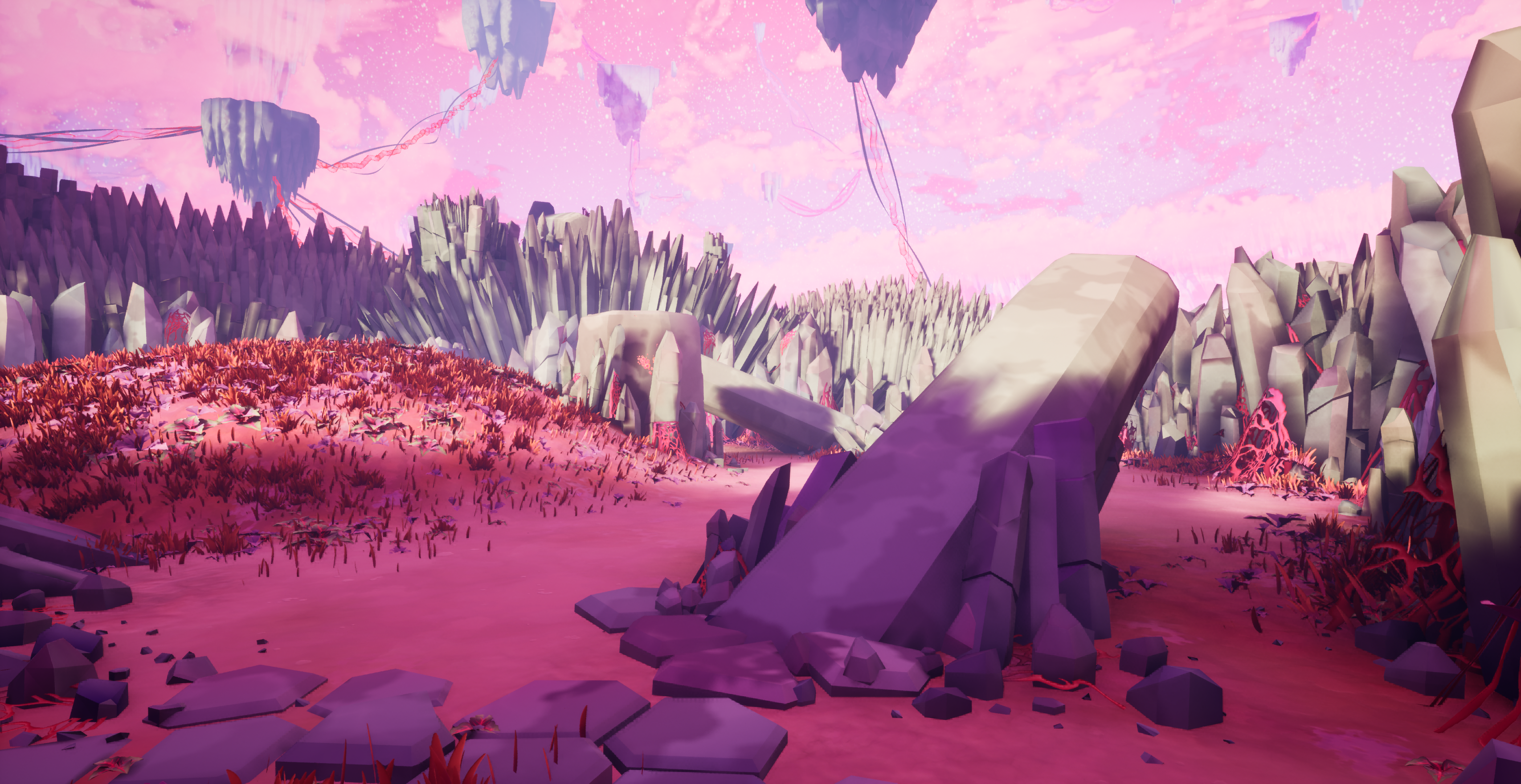
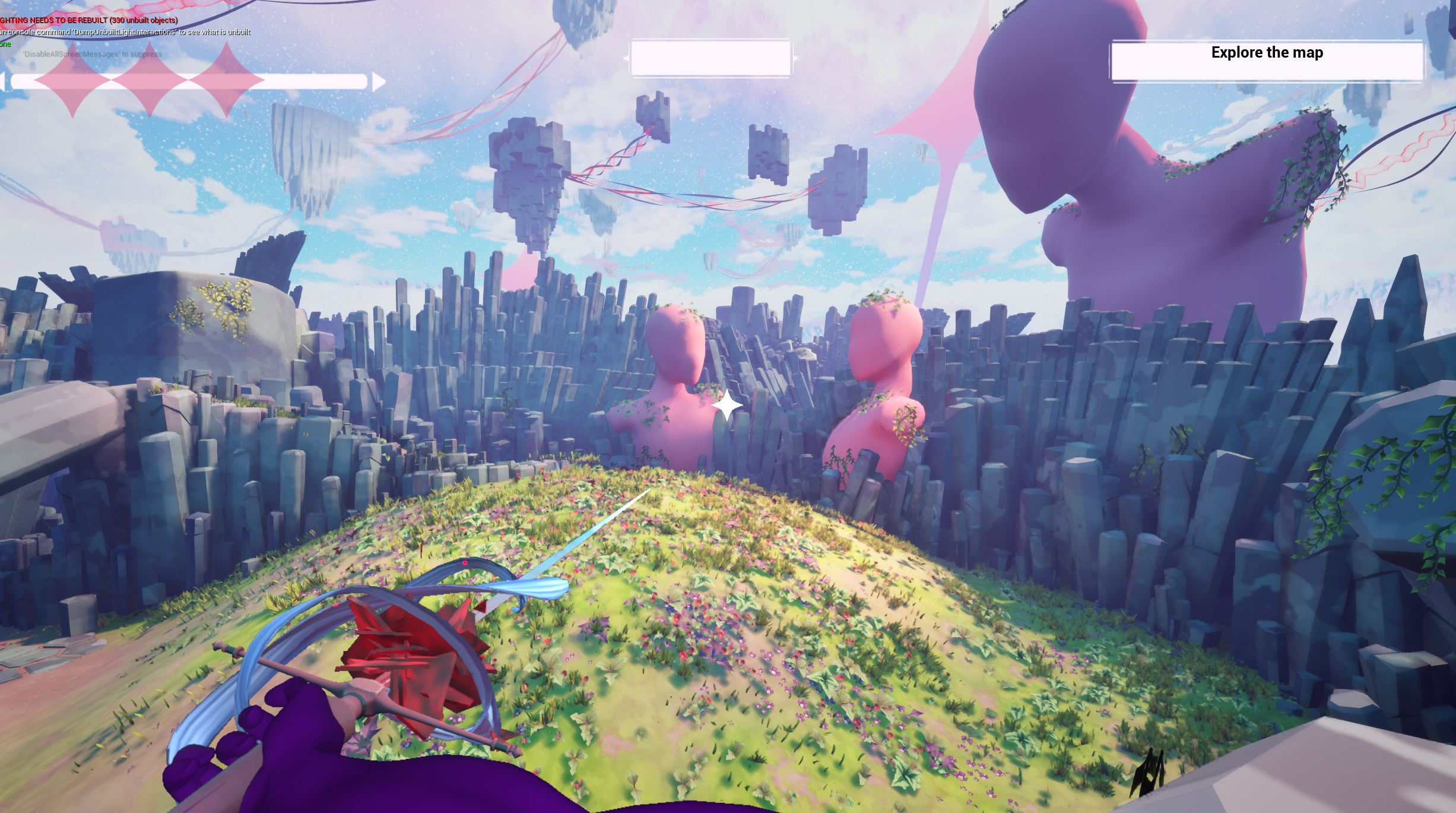
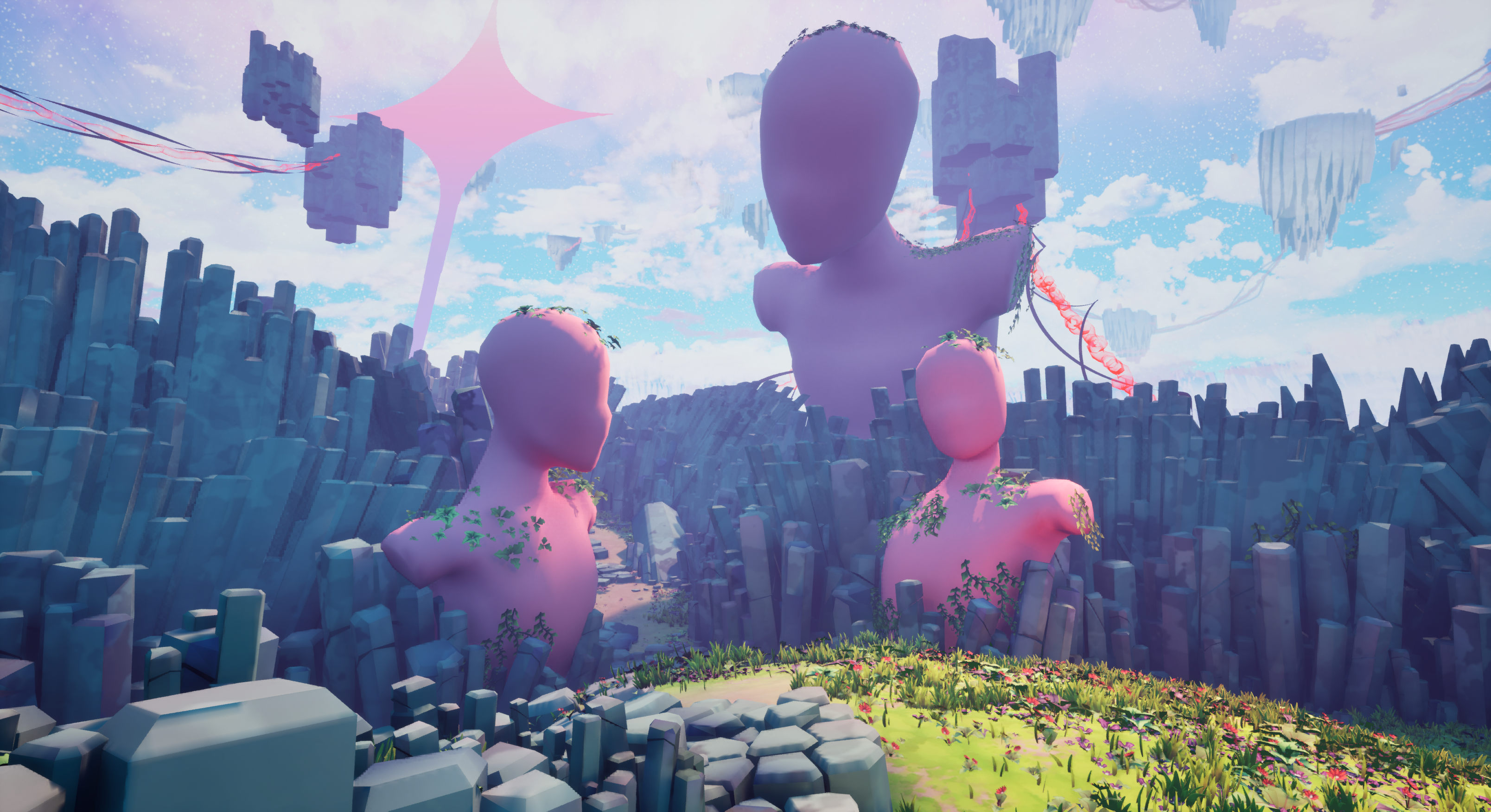
Viscera is a fast-paced first person
hack'n'slash arena fighter. We developed it as a team of 11 students in Unreal Engine 5 as our final
Masters project, over 5 months and alongside our classes.
You can watch the trailer here:
The goal of the project was to build a vertical slice in a studio-sized team. As shown in the
trailer, the game offers two ways to defeat enemies: a violent approach and a non-violent one. The
violent approach plays like a classic melee first person game. You slash enemies to reveal their
weak points, then stab those weak points to finish them. The non-violent approach is more involved.
You can possess other enemies and play as them. Each time you possess a new body, you leave a trail
between your current and previous one. If you manage to possess enemies in a loop and close it by
returning to the first one, every enemy in the loop is removed peacefully. This may not be very
clear, so here is a video showcasing this feature :
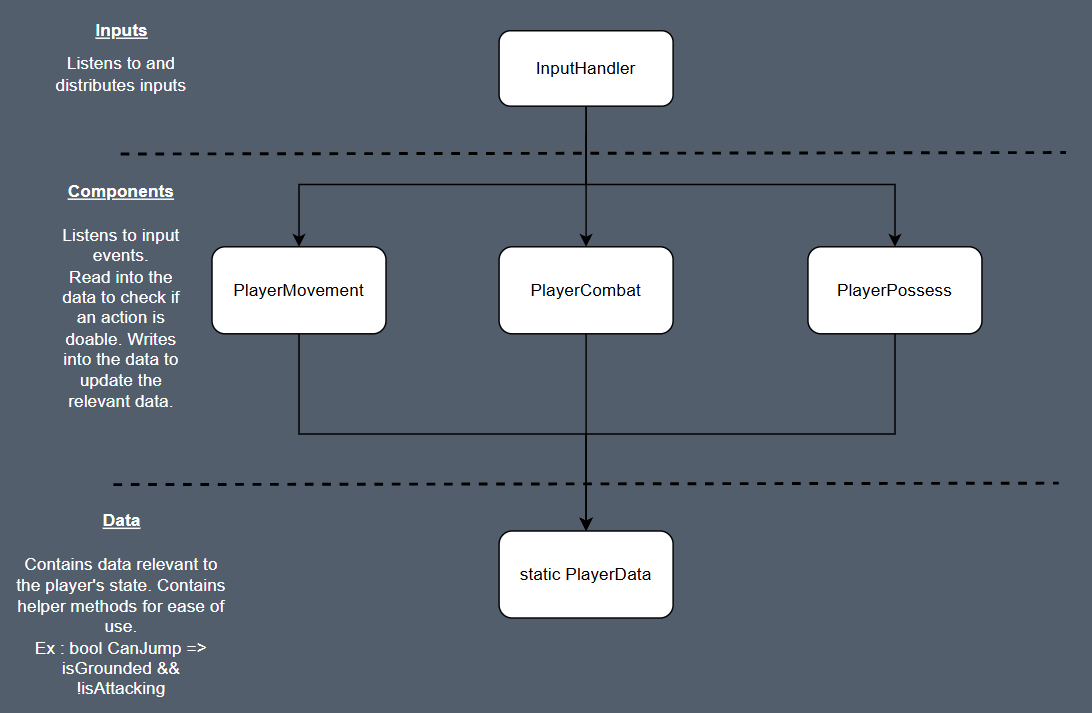
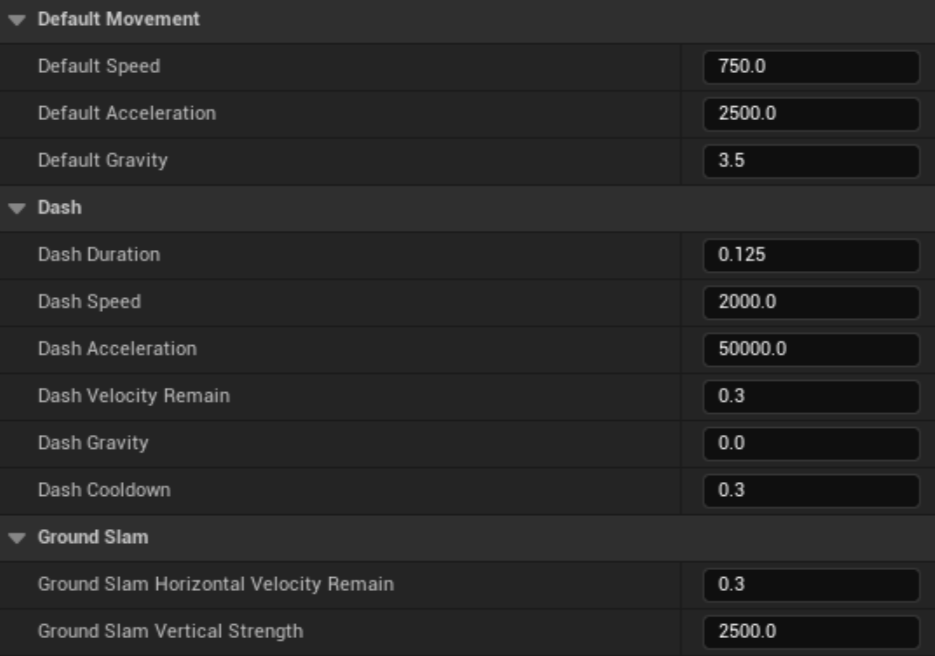
The second thing I focused on was making every behaviour as modular as possible through exposed variables. This is a common practice, but it was important for this project because it let the designers iterate quickly.
This was also my first experience creating a full game in Unreal Engine. I really enjoyed using the engine, especially because it was a great fit for the project thanks to its built-in AI tools and first person templates. What I liked less was how hard it can be to "break the mold". In my opinion, if you want to do something in a way the engine was not originally designed for, it is noticeably harder than in Unity.